

 Facebook
 X
 Pinterest
 Copy Link

A few weekends of fall home maintenance in Alberta can save you thousands of dollars in January. Here in Central Alberta, winter doesn’t knock politely. One week the leaves are turning on the Waskasoo trails, and the next you’re scraping your windshield at 7 a.m.
I’ve lived through more than a dozen Red Deer winters since moving here from BC, and as a REALTOR® I’ve walked through a lot of homes. In fact, the houses that hold their value are almost always the ones where someone did the boring fall chores. So grab a coffee, because this is a big one. It’s the full deep dive, from the roof down to the sump pit, plus a free printable checklist (PDF) at the end.
Why Fall Home Maintenance Matters in Alberta
Our winters are hard on houses in a way many people don’t expect. However, it’s not just the cold. It’s the swings: a chinook can take us from -25°C to +5°C in a day, snow melts, and then everything refreezes overnight.
That freeze-thaw cycle is what cracks foundations, lifts sidewalks, builds ice dams and bursts pipes. Good fall home maintenance in Alberta is really about one thing: keeping water and cold out of the places they don’t belong.
1. Alberta Fall Home Maintenance Starts at the Top: Roof, Gutters and Drainage
Water is your house’s biggest enemy, and in Alberta it does its worst damage when it freezes. Therefore, your goal this fall is simple: get every drop of water off the roof and away from the foundation.

Roof
- Walk the perimeter with binoculars (or your phone camera on zoom). Look for missing, curled or cracked shingles, especially on the south and west sides where sun and wind hit hardest.
- Check the flashing around chimneys, vents and skylights. Also, lifted or rusted flashing is a common leak point once snow sits on the roof.
- Watch for hail damage. Central Alberta gets regular summer hail. So granule loss or soft spots should be looked at by a roofer before snow load arrives, and it may be worth a call to your insurer.
- Trim branches that hang over the roof. Otherwise, heavy wet snow brings them down, and they scrape shingles all winter.
Gutters and downspouts
- Clean gutters after the leaves are down, not before. In most Central Alberta neighbourhoods that’s late October.
- Flush them with a hose to confirm water actually flows to the downspouts.
- Check that gutters are sloped and secure. Otherwise, sagging sections hold water, which freezes and pulls them off the fascia.
- Extend downspouts at least 1.5 to 2 metres from the foundation. After all, splash pads and extensions are cheap, but foundation repairs are not.
- Consider gutter guards if you have big trees. Still, they won’t stop all debris, but they do cut the work down.
Ice dams: why they happen here
An ice dam forms when warm air leaking into the attic melts snow on the roof. Then that water runs down to the cold eaves and refreezes into a ridge of ice. Next, more meltwater backs up behind it and can push under shingles and into your ceiling. Unfortunately, chinooks make this worse. Clean gutters help, but the real fix is in the attic (see section 4).
Grading and the foundation
- The ground should slope away from the house, roughly 15 cm of drop over the first 2 metres. Generally, settled flower beds and window wells are the usual trouble spots.
- Top up low spots with clay-rich soil, not mulch or sand, which let water through.
- Seal foundation cracks. Hairline cracks can be sealed with a DIY kit. However, anything wider than a credit card, or anything that leaks, deserves a professional look.
- Clear window wells of leaves and add covers so they don’t fill with snow.
2. Water Lines: The #1 Winter Insurance Claim
A frozen, burst pipe can dump hundreds of litres into a basement in hours. However, most of these claims are completely preventable with about 30 minutes of work. That’s why water lines are a key part of fall home maintenance in Alberta.
Outdoor taps (hose bibs)
- Disconnect every garden hose. A hose left attached traps water in the tap, and that’s how even “frost-free” taps split.
- Find the indoor shut-off valve for each outdoor tap (usually in the basement ceiling near where the line exits) and close it.
- Open the outdoor tap to let the remaining water drain out. Then leave it open for the winter.
- Add an insulated faucet cover for extra protection. Besides, they cost just a few dollars at any hardware store.
Not sure if you have frost-free taps? A frost-free tap has a long stem, and the valve sits inside the warm part of the house. Unfortunately, many older Red Deer and Lacombe homes don’t have them, so the shut-off step really matters.
Sprinklers and water features
- Blow out underground irrigation with compressed air before the ground freezes. If you don’t own a big compressor, book a local irrigation company early; October fills up fast.
- Drain and store hoses, rain barrels, fountains and birdbaths. Finally, flip rain barrels upside down or bring them into the garage.
Inside the house
- Insulate exposed pipes in crawl spaces, garages, unheated basements and along exterior walls. Plus, foam pipe sleeves are cheap and easy because they just slip on.
- Know where your main water shut-off is. Also, show everyone in the house. If a pipe ever does burst, those first minutes matter.
- Test your sump pump by pouring a pail of water into the pit and watching it cycle. Check that the discharge line outside isn’t blocked and won’t freeze shut. Similarly, a battery backup is worth it come spring melt.
- Check the water heater. Draining a few litres from the bottom valve flushes sediment, which is common with our hard water.
- Consider a water leak sensor or an automatic shut-off valve, especially if you travel in winter. Moreover, some insurers offer a discount for them.
3. Heating: The Most Important Fall Home Maintenance Task in Alberta
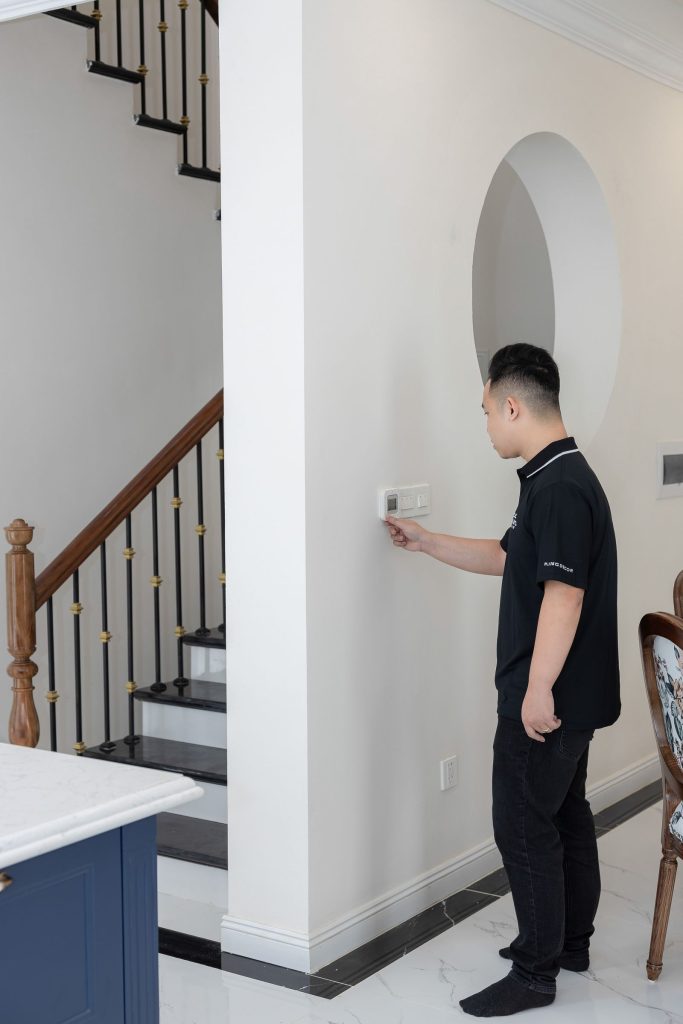
Nobody wants to discover a dead furnace at -30°C on a Sunday night, when every HVAC company in town is booked solid. That’s why fall is the time to book service, while technicians still have openings.
Furnace
- Book an annual furnace inspection and cleaning. A technician will check the burners, heat exchanger, igniter, blower and venting. Notably, a cracked heat exchanger can leak carbon monoxide, and it’s something you can’t see yourself.
- Replace the furnace filter now, then check it monthly through winter. Otherwise, a clogged filter makes the furnace work harder and can cause it to overheat and shut down.
- Clear the outside vents. High-efficiency furnaces vent through two white plastic pipes on the side of the house. However, snow drifts and frost can block them and shut your furnace off. Make clearing them part of your shovelling routine.
- Test the thermostat. Switch to heat and make sure the furnace kicks on. Also, a programmable or smart thermostat can noticeably lower your gas bill over a long winter.
Air, vents and humidity
- Vacuum floor registers and cold air returns, and make sure furniture isn’t blocking them.
- Service the humidifier if your furnace has one. Then replace the pad and turn it on, since our dry winter air is hard on skin, wood floors and furniture.
- Watch window condensation. If your windows fog or ice up on cold days, turn the humidity down. Otherwise, too much moisture leads to mould around the frames.
- Run your HRV (heat recovery ventilator), if you have one, and clean its filters and core. Specifically, newer, tightly sealed homes depend on it for fresh air.
Fireplaces and wood stoves
- Have wood-burning chimneys swept and inspected. Otherwise, creosote build-up can cause chimney fires.
- Check the chimney cap to keep out birds, squirrels and snow.
- Gas fireplaces need an annual service too: check the pilot, glass and venting.
- Stack firewood away from the house, at least a few metres off the siding, to keep pests out.
Smoke and carbon monoxide alarms
This one takes five minutes and could save your family. Test every smoke and CO alarm and replace the batteries. Make sure there’s a CO alarm on every level with sleeping areas. Also, most alarms expire after 7 to 10 years; the date is printed on the back. After all, homes are sealed up tight all winter, which is exactly when CO problems happen.
4. Seal the Envelope: Windows, Doors and Attic
Every draft is heat you’ve paid for leaking outside. Sealing up your home is one of the cheapest ways to lower your winter energy bills, and it makes the house noticeably more comfortable. In fact, sealing drafts is the fall home maintenance job in Alberta that pays you back the fastest.
Find the drafts
On a windy day, hold a lit incense stick or a strip of tissue near window frames, door edges, outlets on exterior walls, and anywhere pipes or wires come through walls. If the smoke wavers or the tissue moves, you’ve found a leak. Alternatively, a thermal camera attachment for your phone makes this even easier.
Windows
- Re-caulk gaps around exterior window trim where old caulking is cracked or pulling away. Use an exterior-grade caulk, and do it on a day above about 5°C so it cures properly.
- Clean window tracks and weep holes so melting frost can drain.
- Swap screens for storm windows if your home has them.
- Use window insulation film on older or single-pane windows. Plus, it’s inexpensive and nearly invisible once installed.
Doors
- Replace worn weatherstripping around exterior doors. If you can see daylight around the edges, it’s time.
- Check door sweeps at the bottom of exterior doors, including the door from the garage into the house.
- Tighten hinges and strike plates so doors close firmly against the seal.
- Garage doors: check the bottom rubber seal. As a result, a good seal keeps out snow, cold and mice.
Attic: the real fix for ice dams
- Check insulation depth. Many older Alberta homes are under-insulated by today’s standards. If you can see the tops of the ceiling joists, you likely need more.
- Seal attic air leaks around the attic hatch, plumbing stacks, light fixtures and bathroom fans. That’s because warm, moist air escaping into the attic causes both ice dams and frost build-up.
- Make sure bathroom and kitchen fans vent outside, not into the attic.
- Keep soffit vents clear so the attic stays cold and dry. A cold attic means snow stays frozen on the roof instead of melting into ice dams.
- Look for frost or dark staining on the underside of the roof sheathing mid-winter. Ultimately, it’s a sign of a moisture problem worth fixing.
An energy audit can pinpoint where your home is losing the most heat. Check which energy efficiency rebate programs are currently available in Alberta, as they change from year to year.
5. Fall Home Maintenance in Alberta for Your Yard, Garage and Snow Gear
A little yard work now means a healthier lawn in May and fewer surprises under the snow.

Lawn and garden
- Rake or mulch the leaves. A thick, wet mat of leaves smothers grass and invites snow mould come spring. Mulching them with the mower is fine for a light layer.
- Give the lawn a final short cut, around 5 to 6 cm. Otherwise, long grass mats down under snow.
- Aerate and fertilize with a fall blend if you didn’t do it in September.
- Water trees and shrubs deeply before freeze-up, especially evergreens. Our dry winters and chinook winds cause “winter burn” on spruce and cedar.
- Wrap young trees to protect them from sunscald and hungry rabbits.
- Cut back perennials (or leave some standing for the birds), and pull out annuals and vegetable plants.
- Bring in clay and ceramic pots. Otherwise, they crack when wet soil freezes.
- Mark the edges of driveways, walkways and garden beds with stakes so you don’t plough up the lawn with a shovel or snowblower.
- Check your municipality’s yard waste and leaf collection dates. Most Central Alberta communities run fall drop-off or pickup programs.
Decks, patios and furniture
- Clean and store patio furniture and cushions, or cover them well.
- Clean the barbecue and cover it. If you grill all winter (no judgment), keep a path shovelled to it.
- Sweep debris off the deck so it doesn’t hold moisture against the boards.
Garage and equipment
- Drain or stabilize the gas in the lawn mower and other small engines before storing.
- Service the snowblower now: fresh oil, spark plug, shear pins and a test start. That way, you find out it won’t start in October, not during the first big dump.
- Stock up: a good snow shovel, a roof rake if you have a low-pitched roof, and pet-safe ice melt or sand for steps.
- Get your vehicle winter-ready: winter tires, block heater cord, scraper, and an emergency kit in the trunk.
- Organize the garage so the car actually fits inside. As a result, your mornings will thank you.
Sidewalks and snow removal
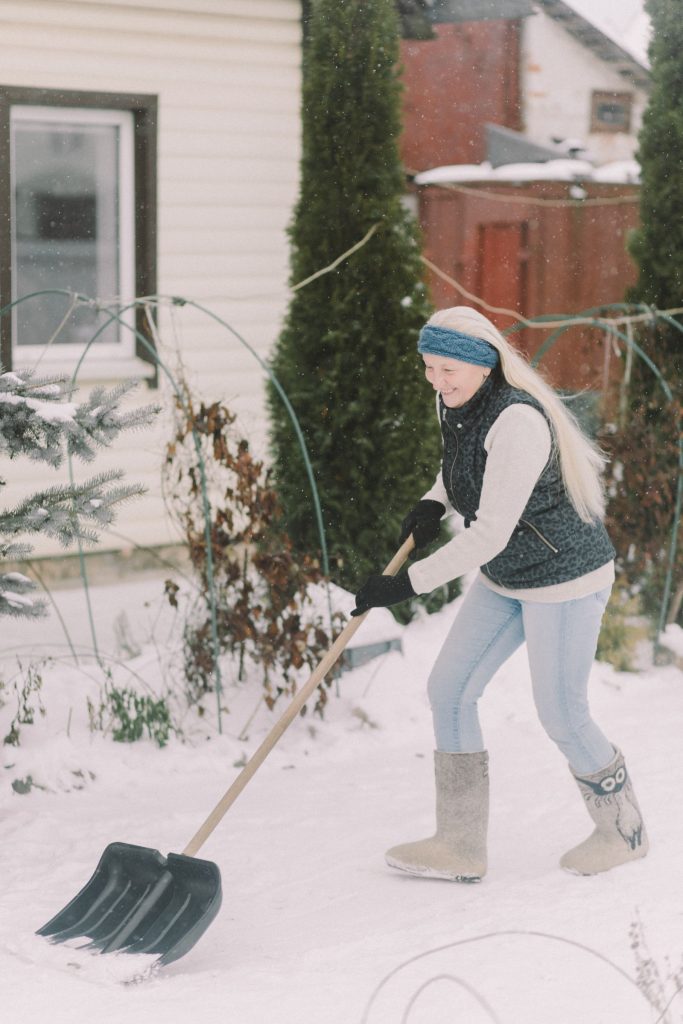
In Red Deer, homeowners are expected to clear the public sidewalk next to their property within 48 hours of a snowfall, and most surrounding towns and counties have similar bylaws. You can check plowing schedules and parking bans on the City of Red Deer’s Snow and Ice Program page. If you travel or can’t shovel, line up a neighbour or a snow removal service now. After all, many fill their contracts by November.
6. Safety, Emergencies and Insurance
Winter storms and power outages happen, especially in rural areas around Pine Lake, Penhold and Innisfail. However, a little planning makes them an inconvenience instead of a crisis.
Home emergency kit
Aim to be self-sufficient for at least 72 hours. The Government of Canada’s Get Prepared emergency kit guide is a great starting point. Keep these together in one bin:
- Water (about 4 litres per person per day) and non-perishable food
- Flashlights, headlamps and extra batteries
- A battery or crank radio and phone power banks
- Warm blankets, sleeping bags and extra layers
- A first aid kit and a few days of any medications
- A manual can opener, candles and matches
If you have a generator, never run it in a garage or near a window. Also, test it in the fall and store fuel safely.
Outside safety
- Check exterior lighting and replace burnt-out bulbs. It’s dark before 5 p.m. by December.
- Fix loose railings and uneven steps before they’re covered in ice.
- Keep your house number visible from the street so emergency services can find you in a storm.
Insurance and paperwork
- Review your home insurance policy this fall. Ask specifically about sewer backup, overland flooding and water damage coverage. That’s because they are often separate add-ons.
- Check the vacancy clause. Many policies require someone to check on the home regularly if you’re away for more than a few days in winter, and the heat must stay on. So if you’re a snowbird, read the fine print.
- Take a quick video inventory of each room. If you ever have to make a claim, you’ll be glad you did.
Heading south for the winter?
- Keep the thermostat at no less than about 15°C.
- Shut off the main water supply and drain the lines if you’ll be gone a long time.
- Arrange for someone to check the house on the schedule your insurer requires, clear the sidewalks and keep the furnace vents clear.
- Set up smart sensors for temperature and water leaks that alert your phone.
7. Thinking of Buying or Selling This Winter?
Winter is a great time to move in Central Alberta. For one thing, there are fewer buyers competing, and sellers who list in winter are usually serious. Fall home maintenance in Alberta plays a big role either way.
If you’re selling: a well-maintained home shows better and inspects better. Keep a simple folder with receipts for your furnace service, roof work and other upgrades. Also, buyers and their inspectors love seeing it, and it builds trust. Keep walkways clear and well lit for showings, and set the thermostat to a comfortable temperature so buyers want to linger. My Seller’s Guide to Central Alberta walks through the rest, and if you’re curious what your home is worth, I offer a free, personal home valuation.
If you’re buying: winter can hide things like roof condition, grading and the yard. Ask for maintenance records, ask about the furnace’s age and service history, and don’t skip a home inspection. For example, a good inspector will use tools like thermal imaging to spot what the snow is covering. My Buyer’s Guide to Central Alberta covers the whole process, and if you’re moving here from out of province, start with Relocating to Red Deer, Alberta.
Your Printable Fall Home Maintenance Checklist for Alberta
Print this fall home maintenance checklist for your Alberta home, stick it on the fridge, and tick things off over a few weekends.
Download the Printable Fall Home Maintenance Checklist (PDF)
Outside
- Inspect roof, shingles and flashing
- Trim branches over the roof
- Clean and flush gutters
- Extend downspouts 1.5 to 2 m from the foundation
- Check grading and seal foundation cracks
- Clear and cover window wells
Water
- Disconnect hoses and shut off outdoor taps
- Blow out the sprinkler system
- Insulate exposed pipes
- Locate the main water shut-off
- Test the sump pump
Heating and safety
- Book furnace service
- Replace the furnace filter
- Clear furnace intake and exhaust vents
- Service the humidifier and HRV
- Sweep the chimney and service the gas fireplace
- Test smoke and CO alarms
Sealing up
- Caulk windows and replace weatherstripping
- Check door sweeps and the garage door seal
- Check attic insulation and seal air leaks
Yard and garage
- Rake leaves and give the lawn a final cut
- Water and wrap trees
- Store patio furniture, hoses and pots
- Stake driveway and walkway edges
- Service the snowblower and stock up on ice melt
- Winter tires and vehicle emergency kit
Emergency and insurance
- Build a 72-hour emergency kit
- Review your home insurance and vacancy clause
- Line up snow removal help if you’ll be away
Let’s Talk
Have questions about fall home maintenance in Alberta, or thinking about making a move this winter? I’d love to help. Whether you’re in Red Deer, Sylvan Lake, Lacombe, Innisfail, Penhold, Blackfalds, Pine Lake or anywhere in between, reach out anytime. My job isn’t done on moving day, and I’m always happy to point you to trusted local pros.
Carrie Meir, REALTOR®
Coldwell Banker OnTrack Realty
403-872-8865
carriemeirrealty@gmail.com
carriemeirrealty.com
